How to Choose the Right Canadian Niagara Falls Boat Tour
Standing at the edge of Horseshoe Falls, you feel the spray before you see the boats. The thunder of water drowns out everything else. A boat tour is the classic way to experience Niagara Falls up close, but with several options on the Canadian side, picking the right one can feel overwhelming. The key is matching the tour to your priorities: how wet you want to get, how long you want to be on the water, and what time of day you prefer. Here is a practical, step-by-step approach to making that choice.
Step 1: Understand What a Canadian Niagara Falls Boat Tour Actually Involves
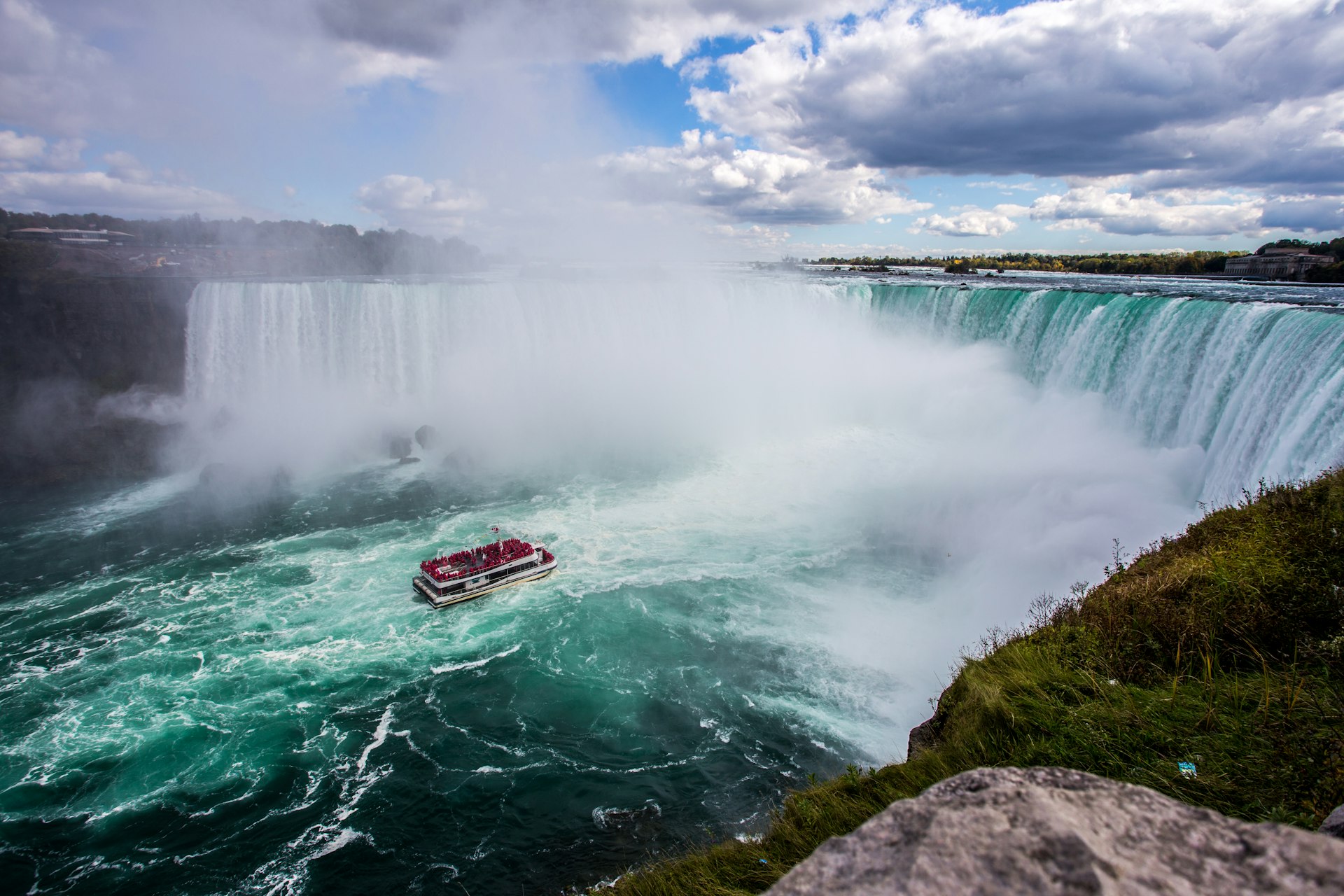
A boat tour on the Canadian side means boarding a vessel that sails into the Niagara Gorge, directly toward the base of the falls. The most well-known operator on this side is Hornblower Niagara Cruises. Their boats depart from a dock near the base of the gorge, take you past the American Falls and Bridal Veil Falls, and then push right into the mist of Horseshoe Falls. You get drenched, you hear the roar, and you see rainbows in the spray. The entire round trip usually lasts about twenty minutes on the water, plus boarding and disembarking time. Seasonal operation typically runs from April through November, depending on ice conditions. Knowing this baseline helps you compare any tour package you find.
Step 2: Decide on Your Tolerance for Getting Wet
This is the single biggest variable. Most boat tours provide a complimentary poncho, but that poncho only does so much. If you stand on the upper deck during the closest approach to Horseshoe Falls, you will get soaked. Water pours down from above, and the wind pushes the mist sideways. Some people love that. Others prefer to stay mostly dry and still see the falls. If you fall into the latter group, consider booking a tour that offers an enclosed lower deck or a later sailing when the wind is lighter. Another option is to bring a waterproof camera case and wear quick-drying clothes. The poncho covers your torso, but your legs and feet will get wet. Some tour operators sell or rent shoe covers, but not all do. Check the fine print before you book.
Step 3: Choose Your Time of Day Carefully
Morning sailings tend to have lighter crowds and calmer winds. The sun rises behind the American Falls, which can create dramatic lighting for photos. Afternoon sailings are busier, and the sun is overhead, which reduces shadow but can also wash out the rainbow colors. Sunset cruises are popular for a reason: the golden light hits the mist and the falls turn a warm orange. Some operators offer evening tours that include fireworks or illuminated falls views. If you are visiting during peak summer months, the midday heat can make the mist feel refreshing rather than cold. In spring or fall, the water temperature is lower, and a morning sailing might leave you shivering. Consider the season and your comfort level when picking a departure time.
Step 4: Compare Tour Duration and What Is Included
Not all boat tours are the same length. The standard Hornblower cruise lasts about twenty minutes on the water. Some private or premium tours extend that to forty minutes or more, circling the gorge for a longer view. A longer tour gives you more time to take photos and to appreciate the scale of the falls from different angles. It also means more time exposed to the elements. If you are traveling with young children or elderly relatives, a shorter tour might be more comfortable. Check whether the tour includes a pre-recorded commentary or a live guide. Some boats have audio guides in multiple languages. Others rely on the natural sound of the falls, which is powerful on its own. Also look at what is included in the ticket price: some packages bundle a behind-the-scenes walkway experience or a visit to the observation deck. If you want a simple, no-frills ride, the basic ticket is fine. If you want a fuller experience, a combined ticket might save you money and time.
Step 5: Read the Fine Print on Weather and Cancellations
Boat tours operate in most weather except for thunderstorms, high winds, or heavy fog that reduces visibility. If the tour is cancelled due to weather, most operators offer a full refund or a reschedule. But some tickets are non-refundable if you cancel on your own. Check the cancellation policy before you pay. Also note that the boat may run even if it is drizzling or overcast. The mist from the falls will make you wet anyway, so a little rain does not change the experience much. However, if there is lightning within a certain radius, the boats will not sail. If you are on a tight schedule, consider booking a morning slot so you have the afternoon as a backup. Some operators allow you to transfer your ticket to a later sailing on the same day if the morning one is cancelled.
Step 6: Consider Accessibility and Comfort
Boats on the Canadian side are generally accessible to wheelchairs and strollers, but not all vessels have the same level of access. The main Hornblower boats have ramps and elevators, but smaller tour boats might not. Call ahead or check the operator's website for specific accessibility information. If you have mobility concerns, choose a tour that boards from a dock with a ramp rather than stairs. Also think about seating. Most boats have benches on the lower deck, but the upper deck is standing room only. If you need to sit during the ride, pick a lower deck spot. The lower deck is also more sheltered from the wind and spray. For people who are sensitive to motion, the boat ride is generally smooth because the water in the gorge is relatively calm, but there can be some gentle rocking near the base of the falls. If you are prone to seasickness, take medication beforehand or choose a morning sailing when the water is flattest.
Step 7: Look at the Viewing Angle and Photography Opportunities
Different boats offer different vantage points. The standard Canadian tour takes you directly toward Horseshoe Falls, so you see the full curve of the waterfall head-on. That is the classic shot. But if you want a side view that captures both the American Falls and the Canadian Horseshoe in one frame, a boat that circles the basin gives you that option. Some tours also pause at a specific distance so you can take photos without the boat moving. Check whether the tour allows you to move between decks freely. On most boats, you can walk from the bow to the stern and from the lower to the upper deck during the cruise. That flexibility lets you find the best angle for your camera. If photography is your main goal, choose a tour that does not pack too many passengers. A crowded boat makes it hard to get a clear shot without other people in the frame. Early morning or late afternoon tours tend to be less crowded.
Step 8: Compare Pricing and What You Get for the Money
Prices for a Canadian Niagara Falls boat tour vary by operator, season, and time of day. A standard adult ticket for the basic Hornblower cruise is reasonable, but premium packages that include a reserved seat, a drink, or a souvenir poncho cost more. Some third-party resellers bundle the boat tour with other attractions like the Skylon Tower or the Journey Behind the Falls. These bundles can save you money if you plan to do multiple activities. But be careful: some bundles lock you into a specific time slot, while others are flexible. If you want to stay flexible, buy your boat tour ticket directly from the operator. Also watch for online discounts if you book a few days in advance. Walk-up tickets are usually full price. For the best value, decide what matters most to you: the shortest wait, the best view, or the lowest price. Then choose accordingly. If you are looking for a reliable booking experience, you can check options at niagarafallscanadatours.com for a straightforward way to compare what is available.
Step 9: Check Reviews and Recent Feedback
Before you finalize your choice, spend a few minutes reading recent reviews. Look for comments about boat cleanliness, staff friendliness, and how well the operator handles crowds. Pay attention to reviews from people who visited during the same season you plan to visit. A tour that works well in July might feel different in October when the water is colder and the wind is stronger. Also look for mentions of the boarding process. Some docks have long lines, especially on weekends. If you hate waiting, choose a tour that offers a priority boarding option or a specific boarding time. Reviews can also alert you to any recent changes in the route or the condition of the boats. One common complaint is that the ponchos provided are thin or tear easily. If that concerns you, bring your own rain gear. Another is that the audio commentary is hard to hear over the engine and the falls. If you want detailed information, consider a tour with a live guide rather than a recording.
Step 10: Book in Advance and Prepare for the Experience
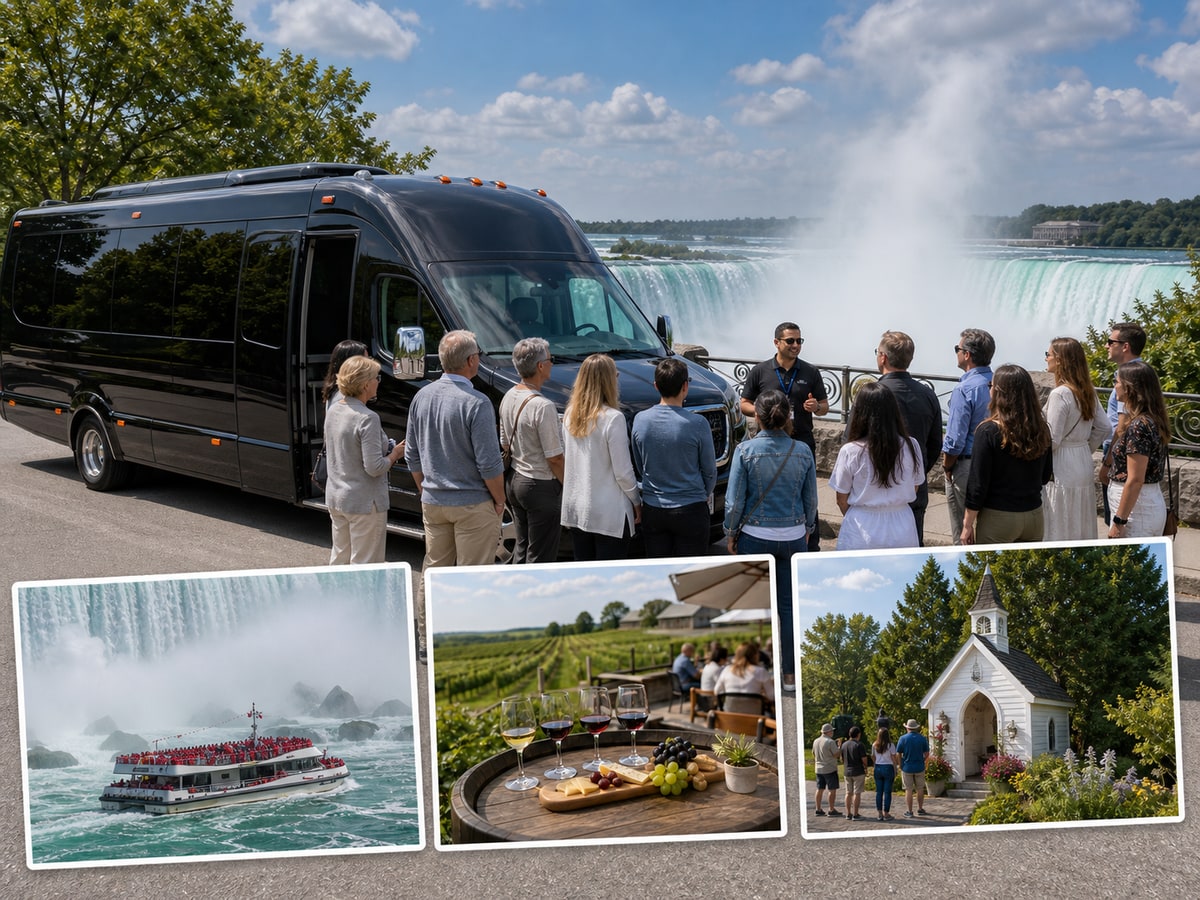
Once you have made your choice, book your tickets ahead of time. Same-day tickets often sell out, especially during summer weekends and holidays. Booking online also lets you select your preferred departure time. On the day of your tour, arrive at the dock at least thirty minutes early to allow for parking, security, and boarding. Wear clothes that dry quickly and shoes that can get wet. Leave your phone or camera in a waterproof case or a sealed bag. The mist is relentless, and electronics do not like moisture. If you wear glasses, consider bringing a microfiber cloth or using an anti-fog spray. The temperature drop near the falls can be dramatic, so bring a light jacket even on a warm day. And most importantly, embrace the experience. The spray, the roar, the rainbows, that is what you came for. For a full overview of the different tour options and to see what fits your schedule, a visit to niagarafallscanadatours.com can give you a clear picture of what is available on the Canadian side.